Managing Litter Box Odors in a Ford Transit with Two Cats
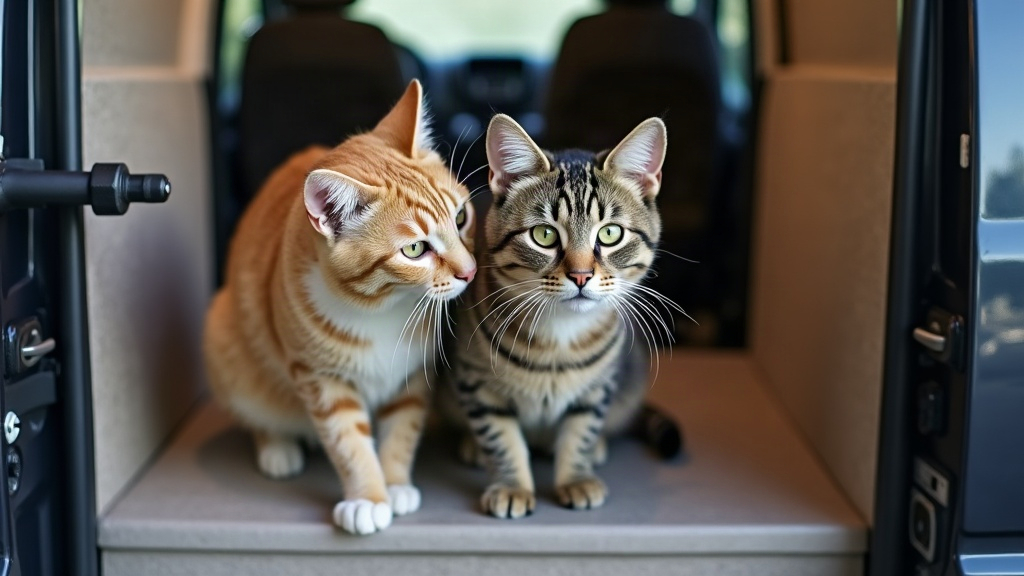
Traveling with two cats in a Ford Transit sounds dreamy until the smell of a shared litter box fills every cubic inch of your living space. Managing litter box odors in a tight van takes smart placement, the right litter, a cleaning routine you actually stick to, and decent airflow. With two cats, the math on odor control changes fast, and not in your favor. Here’s exactly how to keep your Transit smelling like a home on wheels instead of a kennel.
Why Two Cats Change Everything
One cat in a van is manageable. Two cats roughly double the waste volume, and they’ll almost certainly need two litter boxes instead of one. Cats are territorial about where they go, and cramming two of them into one box in a small space often leads to stress, accidents outside the box, or one cat simply refusing to use it. That refusal, by the way, is usually what triggers the worst smell of all: a puddle in a corner you didn’t expect.
Rule of thumb: one litter box per cat, plus one extra if space allows. In a Transit conversion, that usually means two compact boxes tucked into separate zones, not one oversized box shoved in a corner.
Best Litter Box Placement in a Transit
Placement is the single biggest factor in odor control. Get this wrong and no amount of fancy litter will save you.
- Away from the kitchen and sleeping area. Under a bench seat, inside a vented cabinet, or in the rear corner near the back doors all work well.
- Near an exterior vent or window. Odor needs somewhere to escape. Put the box near airflow and you stop stale air from soaking into fabric, cushions, and curtains (and trust me, fabric holds onto cat ammonia for weeks).
- Not next to food and water bowls. Cats hate eating near their bathroom, and keeping both in one spot just concentrates the smell in a single living zone.
- Low-traffic but accessible. Cats need a bit of privacy to use the box without stress, and a stressed cat produces noticeably stronger-smelling waste. It’s not your imagination.
Plenty of Transit builders run a slide-out drawer system under a bed platform, with a cut vent straight to the outside. It’s one of the most effective passive odor fixes I’ve seen in van builds, and it requires zero extra electronics.
Choosing the Right Litter
Not all litter performs the same once you seal it inside a moving metal box.
- Clumping, low-dust litter makes scooping fast and thorough, which is honestly the #1 factor in odor control. Faster scooping, less ammonia buildup.
- Activated charcoal or crystal litters absorb ammonia smell better than standard clay, especially in tight spaces where air doesn’t circulate much.
- Skip the heavily perfumed stuff. Fragrance masks odor for an hour or two but can irritate a cat’s nose, and in a sealed van that perfume-ammonia combo gets genuinely unpleasant.
Plenty of full-time van cat owners switch to silica gel crystal litter for exactly this reason: it’s lightweight, low-dust, and handles moisture better than clay on long, hot driving days.
Cleaning Routine for Van Life
With two cats, scooping twice a day isn’t a nice-to-have. It’s the baseline.
- Scoop morning and evening, every single day, no skipping even on travel days.
- Full litter change weekly (more often if you’re parked somewhere hot, say above 85°F).
- Run an enzymatic cleaner on the box itself at every change. Soap and water won’t touch ammonia-producing bacteria, no matter how much you scrub.
- Seal waste immediately in a small odor-proof bag or a dedicated covered bin, then dump it at the next gas station or campground stop.
A covered or top-entry box also traps smell and scattered litter better, which matters a lot more in 70 square feet than it does in a house with three bathrooms.
Ventilation: Your Best Tool
At the end of the day, odor control in a van comes down to one thing: how much air you move.
- Run a roof vent fan (a Maxxair is the common choice) on low, even overnight. Constant airflow beats air fresheners every time, because it actually removes odor instead of layering a new scent on top.
- Crack a window slightly when parked, weather permitting.
- Add a small activated carbon air purifier near the litter zone for backup on rainy or scorching days when you can’t vent properly.
Quick Checklist
- Two boxes for two cats, placed in separate zones
- Low-dust clumping or crystal litter
- Scoop twice daily, full change weekly
- Enzymatic cleaner on the box itself
- Vent fan running near the litter area
- Sealed waste disposal at every stop
Final Thoughts
Managing litter box odors with two cats in a Ford Transit isn’t about finding one magic product. It’s a system: placement, litter type, cleaning frequency, and ventilation all pulling together. Nail all four and your van stays livable even on a ten-day road trip. Skip just one piece, though, and the smell will find you no matter how small the space is.