Spray-Bottle & Squeegee Dishwashing: Save Your RV Water Tank
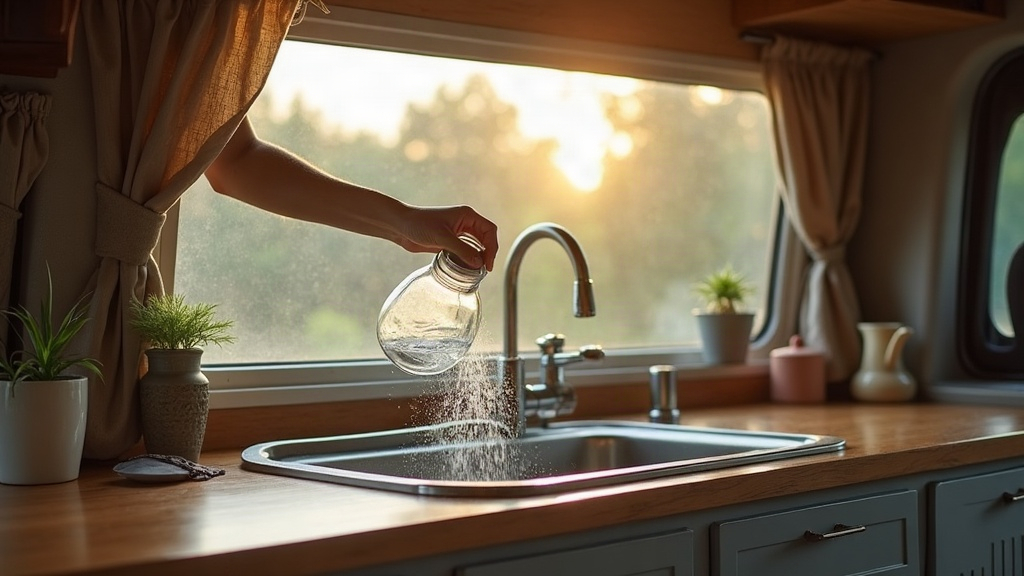
If you’ve ever watched your 20-gallon fresh water tank drop by a third just from washing one day’s dishes, you already know the problem. Traditional dishwashing is one of the biggest water drains in a small RV, van, or boat. The spray-bottle and squeegee method fixes this by swapping a running faucet for a fine mist and a rubber blade, cutting dishwashing water use by up to 90%, often from 2-3 gallons per sink session down to just a few ounces.
Why Traditional Dishwashing Fails on a 20-Gallon Tank
A standard kitchen faucet releases roughly 1.5 to 2.5 gallons per minute. Even a quick 5-minute dish session can burn through 10 gallons, that’s half your entire tank, before you’ve touched your drinking water, brushed your teeth, or taken a quick wipe-down shower. On a week-long boondocking trip, that math just doesn’t add up.
The spray-bottle method isn’t some gimmick dreamed up for van life influencers. It’s the same low-water logic backcountry campers and sailors have used for decades, people who’ve stretched far less than 20 gallons across weeks at sea or on the trail.
What You Need
- A 32 oz spray bottle (adjustable nozzle, mist to stream)
- A small silicone or rubber squeegee (the kind used for car windows or shower glass works great)
- Biodegradable dish soap (concentrated, like Campsuds or Dr. Bronner’s)
- Two microfiber or cotton cloths
- A small basin or dish tub for catching greywater
The Step-by-Step Method
1. Scrape First, Always
Before any water touches a dish, scrape off food residue with a spatula or paper towel. This one habit alone prevents the biggest source of water waste: trying to rinse away solids that a quick scrape could’ve handled in two seconds.
2. Soap Without Water
Put a few drops of concentrated soap directly onto a damp cloth, not the dish itself. Wipe every surface of the plate, bowl, or pan thoroughly. Because the soap sits concentrated on the cloth instead of getting diluted in a sink full of water, you end up using a fraction of what you normally would.
3. Squeegee the Suds
Here’s the method’s real secret weapon. Instead of rinsing soap away under running water, drag the squeegee across the dish in long, even strokes, the same motion you’d use on a car windshield. The squeegee physically lifts off 90%+ of the soap film without a single drop of water.
4. Mist-Rinse, Don’t Flood
Fill your spray bottle with fresh water and set the nozzle to a fine mist. Give the remaining soap residue a light pass, just enough to coat it, not soak it.
5. Final Squeegee Pass
Squeegee again to clear away the misted water and the last traces of soap. Finish with a dry cloth for a streak-free result.
6. Air-Dry or Towel-Dry
Stack dishes in a drying rack, or wipe them dry right away to avoid water spots, which matters most for glassware and stainless pans sitting in a humid cabin.
Real Water Savings
| Method | Water used per sink load |
|---|---|
| Running faucet (5 min) | 8-12 gallons |
| Basin wash + rinse | 2-3 gallons |
| Spray-bottle + squeegee | 4-8 ounces |
On a 20-gallon tank, that gap is basically the difference between a 3-day trip and a 10-day trip without hunting down a refill.
Extra Tips for Extended Trips
- Pre-fill multiple spray bottles before you leave, so you’re not drawing from your main tank just to top off a bottle.
- Use one cloth for soap, one for drying. Mixing the two leaves your drying cloth smelling like dish soap, which nobody wants on their coffee mug.
- Batch your dishes. Wash once in the morning, once at night, instead of running the routine after every single meal.
- Collect greywater in a basin and reuse it, for pre-rinsing cookware or watering plants back at camp.
- Choose soap-resistant cookware (enamel, stainless) over non-stick pans, which scratch easily once you start scraping them with a spatula.
Common Mistakes to Avoid
- Spraying water before scraping food off. This wastes mist and clogs the squeegee blade almost immediately.
- Using too much soap, which just means more rinsing, which defeats the whole point.
- Skipping the dry-wipe step. That leaves water spots behind and invites bacterial growth in a humid van interior, not exactly what you want near your cookware.
Conclusion
This method was never about sacrificing cleanliness. It’s about being deliberate with every ounce of water in a limited system. Scrape first, soap a cloth instead of the dish, squeegee away the suds, finish with a light mist-rinse: do that consistently and you’ll realistically cut your dishwashing water use by over 90%. On a 20-gallon tank, that’s the difference between constantly chasing down a refill station and actually enjoying a longer, more self-sufficient trip off the grid.