Vacuum-Sealing Snowboard Gear for Under-Bed Summer Storage
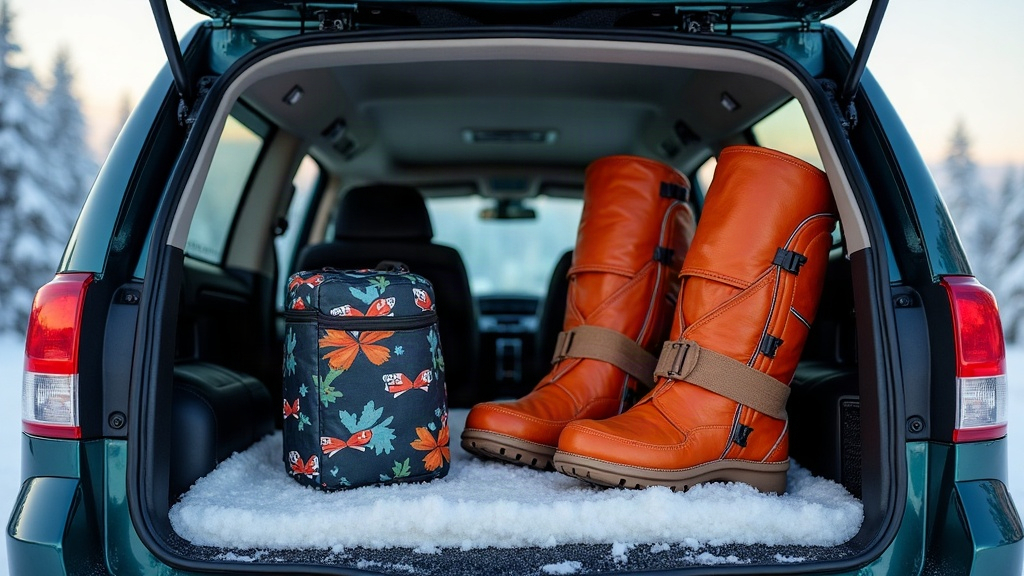
Vacuum-sealing your snowboard gear and tucking it into under-bed garage compartments might be the single smartest move you make before summer hits. It frees up real floor space for bikes and patio furniture, sure, but more importantly it keeps your boots, gloves, base layers, and soft accessories dry, compressed, and untouched by humidity, bugs, or wax breakdown. Done right, you’ll pull everything back out in November looking exactly like it did in April.
Why Under-Bed Garage Compartments Work So Well
A lot of garages these days come with built-in under-bed or platform storage, drawers or sealed bins that slide beneath workbenches, loft beds in garage apartments, or raised platforms bolted above the car. Turns out these spots are almost perfect for snowboard gear. Here’s why:
- No direct sunlight hitting the bins, so jackets and bags don’t fade from UV exposure
- Temperature stays more stable than it does up on overhead shelving, where heat pools near the ceiling
- Gear sits off the floor, away from oil spills, puddles, and whatever’s crawling around down there
- You free up vertical space for bulkier items, the board itself, boots, that kind of thing
Pair that location with vacuum-sealing and you’ve got a real system. The vacuum bags pull the air out and shrink your soft goods down to a fraction of their normal size.
What You Can (and Can’t) Vacuum-Seal
Here’s the thing people get wrong constantly: not everything belongs in a vacuum bag.
Safe to vacuum-seal:
- Base layers, fleece mid-layers, thermal socks
- Soft shell jackets and bibs (check the care tag first, some manufacturers specifically warn against it)
- Buffs, neck gaiters, beanies
- Glove liners and spare mittens
Do NOT vacuum-seal:
- Snowboard boots. Squeeze them under vacuum pressure and you risk warping the liner foam, basically ruining the fit you paid good money for
- Helmets. The EPS foam liner can crack or lose its impact-absorbing structure under compression
- Down-insulated jackets. Keep them compressed for three or four months and the down clusters lose their loft permanently, meaning less warmth next season
- Goggles. Lenses scratch or warp under pressure, full stop
For boots, helmets, and goggles, grab breathable mesh bags or a hard-sided bin instead. Toss those in the same compartment next to your vacuum-sealed bags and you’re covered.
Step-by-Step: Preparing Gear Before Sealing
- Clean everything first. Wash it, dry it completely. Even a little trapped moisture inside a sealed bag, left for three or four months of summer heat, is basically an invitation for mold.
- Treat and dry the snowboard base and edges. If the board’s going to sit near this compartment, put a rust-inhibiting edge treatment on it now, even though the board itself won’t fit in the vacuum bag.
- Sort by category. Base layers in one bag, outerwear in another, accessories in a third. Trust me, digging through one giant mega-bag in October looking for a single glove liner is miserable.
- Use quality vacuum bags. Spend the extra few dollars on thicker, puncture-resistant bags. Cheap ones lose their seal within weeks, and you won’t notice until gear’s already been sitting exposed for months.
Organizing the Compartment Itself
- Label every bag clearly, “Base Layers,” “Outerwear,” “Accessories,” whatever system makes sense to you
- Put the heavier, bulkier bags on the bottom, lighter ones stacked on top, so nothing shifts and crushes a seal
- Toss a few silica gel packets into the compartment itself (not inside the vacuum bags) to soak up ambient humidity in the garage
- If your garage gets hot and sticky in summer, keep a cheap battery-powered hygrometer in there. Anything consistently above 60% relative humidity starts raising mold risk, even for sealed gear
Common Mistakes to Avoid
- Sealing gear while it’s still a little damp “just to get it done.” This single habit is responsible for more musty-smelling November jackets than anything else
- Stacking heavy tools or bins directly on top of vacuum bags. One sharp corner punctures a seal, air creeps back in, and you’ve wasted the whole effort
- Ignoring the board itself. Store it vertically or flat inside a breathable board bag, properly waxed, and keep it away from heat sources like a water heater or furnace, which tend to sit uncomfortably close to garage storage areas
- Never checking the seals mid-summer. A thirty-second glance in July catches a failed bag early, before gear spends two more months exposed and compromised
Conclusion
Vacuum-sealing your snowboard’s soft goods and tucking them into under-bed garage compartments costs almost nothing and pays off big. Wash and fully dry everything before you seal it, skip the vacuum bag on boots, helmets, and down jackets, and throw in some silica packets with clear labels so you’re not hunting through chaos come fall. Get this routine down and when you slide that drawer open in late October, you’ll find gear that’s ready to hit the slopes, not a pile that needs a trip through the laundry first.